











WORKS  BIO  CV  INFO


The Visualium of the Third World

 
It both exists and does not exist, and it is neither past nor future―
a perfect image with no room for human emotion.
   
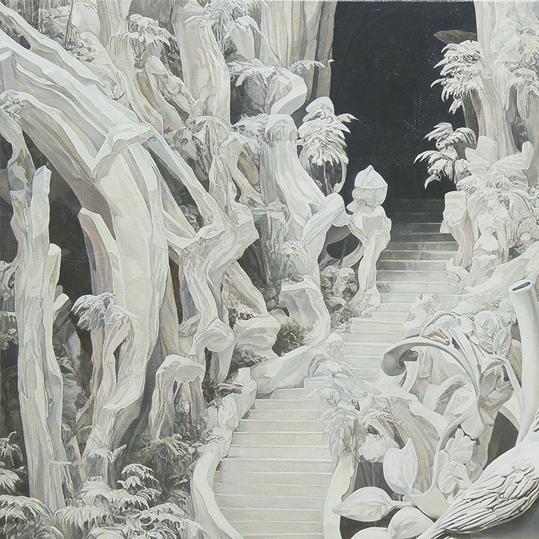
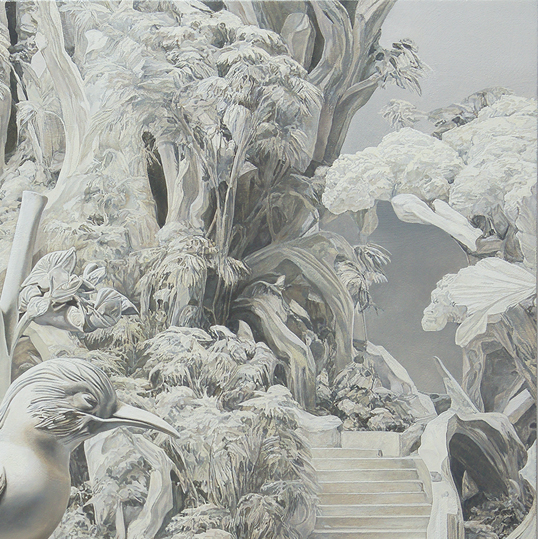
Visualarium is defined as a “Third World” generated by algorithms ― AI-generated images
that can be perceived by humans.

From this world, portraits and objects are collected and enclosed within a single environment,
then actualized through oil painting as a “visual specimen.”


Just as an aquarium traps a miniature ecosystem within a tank, Visualarium encapsulates the
Third World―neither real nor imaginary―within a single canvas.

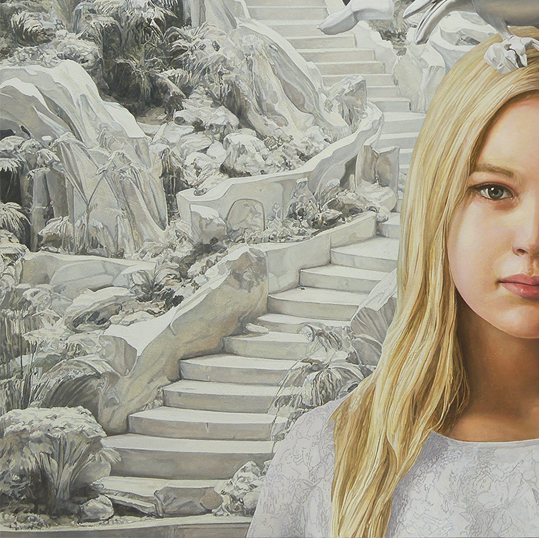
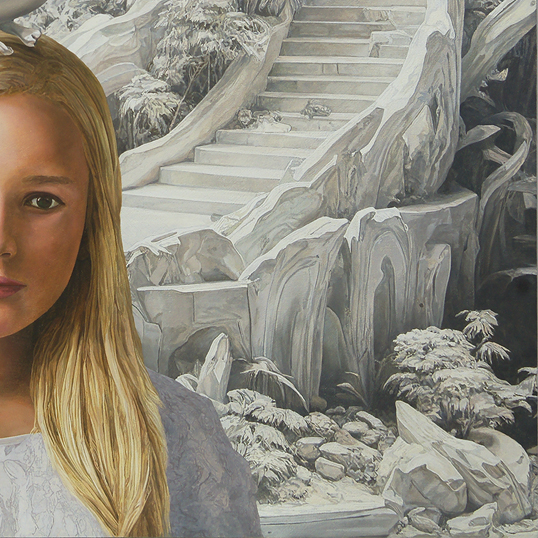
The figures in my works serve as windows and mediators that invite viewers into the world of
the painting.

They do not function as conventional portraits; rather, they exist as devices connecting to the
Third World.

Here, figures and objects coexist on equal footing, allowing viewers to experience the act of
“peering into” an independent world.

"This series is not a mere collaboration with AI, but a confrontation with it.

By transforming these 'visual specimens' into oil paintings through the 'slow logic of the human body,' I reclaim the act of seeing and establish a new structure of perception."


Takayoshi Ueda
Paintings

The Visualium of the Third World
It both exists and does not exist, and it is neither past nor future―
a perfect image with no room for human emotion.
   
Visualarium is defined as a “Third World” generated by algorithms ― AI-generated images
that can be perceived by humans.
From this world, portraits and objects are collected and enclosed within a single environment,
then actualized through oil painting as a “visual specimen.”
Just as an aquarium traps a miniature ecosystem within a tank, Visualarium encapsulates the
Third World―neither real nor imaginary―within a single canvas.
The figures in my works serve as windows and mediators that invite viewers into the world of
the painting.
They do not function as conventional portraits; rather, they exist as devices connecting to the
Third World.
Here, figures and objects coexist on equal footing, allowing viewers to experience the act of
“peering into” an independent world.